Anthropocene Biology Lab

Our research focuses on the evolution and ecology of wild vertebrates in the Anthropocene – a human-dominated time period with a significant global impact on Earth’s ecosystems. We infer patterns and processes related to natural variation in wild organisms living in a gradient of environments – this includes primeval and secondary forests, suburban green areas and highly urbanised space such as city centres. Importantly – we provide data for urban planners related to the impact of the use of concrete and other impervious surfaces on the reproductive success of common passerines. 

Warsaw gradient

To understand the footprint of cities on the phenotype and genotype of wild passerine birds, the Anthropocene Biology Lab is running a long-term study of great tits (Parus major) and blue tits (Cyanistes caeruleus) in a gradient of urbanisation.

Urban Cavities Project

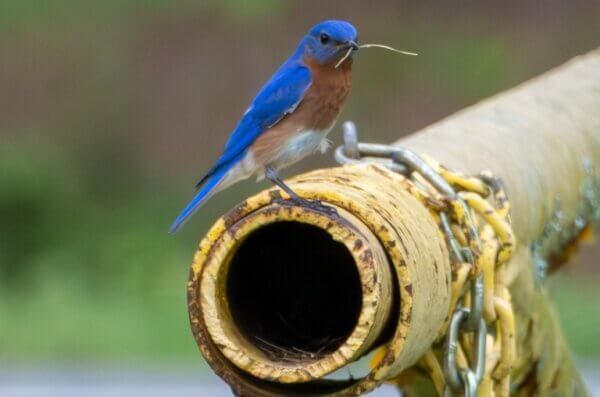
The Urban Cavities Project is a global, citizen-science initiative that explores how birds adapt to the urbanised world by using human-made structures for their nests. From tiny gaps behind drain pipes to ventilation openings, and mailboxes, birds find unusual breeding spots all around us. Join the project on iNaturalist and help us discover those unique places and protect nature!

Plastic pollution

Plastic is the most pervasive element of marine waste, with harmful impact on wildlife. By using iEcology (i.e., internet Ecology, use of online data sources as a new tool in ecological research), we report on the emergence of a novel behaviour in hermit crabs related to the use of plastic or other anthropogenic materials as protective shells.

News

Urban Cavities Project – a new milestone

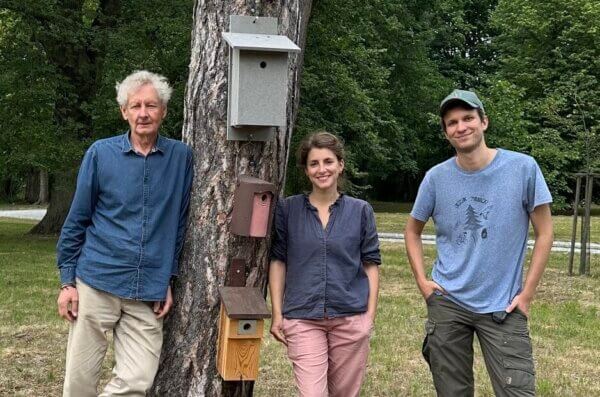
"Urban Cavities Project", a global, citizen-science, initiative on the iNaturalist platform, exploring avian anthropogenic nesting spaces reached over a 1000 observations! The data comes from 600+ participants from all over ...

Read more
all news